

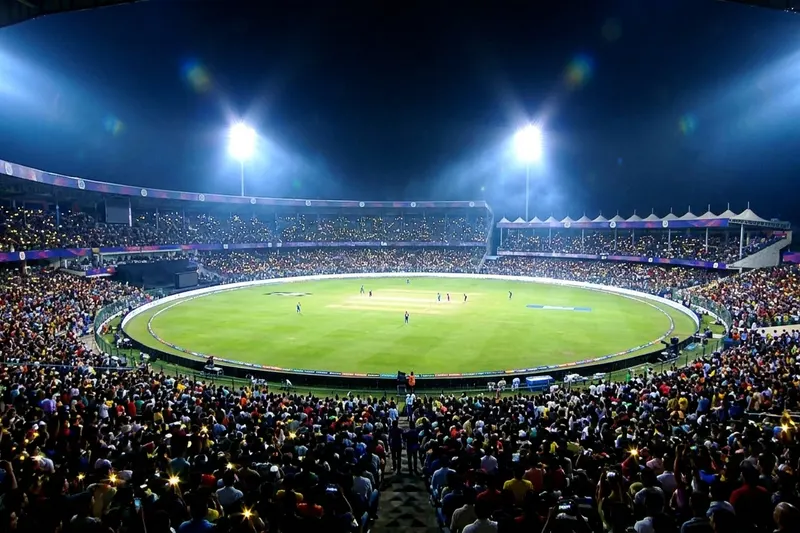
Live IPL stadium atmosphere paired with real-time Back (Lagai) and Lay (Khayi) exchange ladders.
What Replaces the Phone Khaiwal When You Move to an Online Exchange
An IPL satta id is a verified login to a real-time peer-to-peer cricket exchange where you trade match odds (khayi-lagai) and over-by-over session fancy directly from your smartphone. Issued in under two minutes via our WhatsApp desk (+91 8626043284) with a ₹100 minimum UPI deposit, it eliminates voice-call delays, cuts out local bookie commission disputes, and settles winnings into your bank account within 5 to 15 minutes of the final ball.
Last May, during a tight Rajasthan Royals evening chase, I stopped at a crowded paan and lime-soda stall near Sardarpura C Road in Jodhpur. An older uncle standing beside the counter had his phone pressed to his ear, shouting "do daba lagai Rajasthan" while his local khaiwal kept him on hold because a boundary had just been hit. By the time the operator came back on the line, the rate had dropped 14 paise and the uncle refused the entry. Three feet away, two college graduates watching the same match on a Play99Exch new id tapped the pink Lay tile on their phone screen, locked their hedge in 0.8 seconds, and went back to drinking their soda.
That scene captures why serious punters have migrated from voice books to digital exchange credentials issued by New Cricket ID. When you trade on a live screen, nobody can claim your voice note arrived after the bowler released the ball, and nobody can stall your Monday morning payout because another client defaulted on their weekly credit ledger.
Translating Paise Bhav, Daba, and Peti into Exchange Decimal Odds
If you learned cricket satta in offline markets in Indore, Jaipur, Surat, or Old Delhi, you probably speak in paise bhav rather than European decimal odds. The good news is that the underlying khayi lagai rate math is 100% identical—the exchange screen simply adds 1.00 (your returned principal stake) to the paise figure you already know.
| Offline Bazaar Term | What You Say on the Phone | Digital Exchange Screen | Exact Payout / Liability on ₹1,000 |
|---|---|---|---|
| Lagai (Backing Favourite) | "65 paise Mumbai lagai" | BACK 1.65 | Risk ₹1,000 to win +₹650 net if Mumbai wins |
| Khayi (Eating Favourite) | "67 paise Mumbai khayi" | LAY 1.67 | Risk ₹670 liability to win +₹1,000 if Mumbai loses |
| Chavanni / 25 Paise Rate | "25-27 paise Chennai fav" | 1.25 Back / 1.27 Lay | Laying ₹4,000 at 1.27 risks only ₹1,080 for a ₹4,000 upset win |
| Daba / Peti Units | 1 Daba (₹1k) / 1 Peti (₹1L) | ₹100 to ₹2,00,000 chips | Custom stake buttons starting at ₹100 with zero minimum daba rule |
Study row two carefully because that is where most money is made during the IPL. When Chennai Super Kings need 42 runs off 24 balls and the crowd roars after a single boundary, public sentiment pushes the CSK bhav down to 1.32 (32 paise). By tapping the pink LAY 1.32 button for ₹5,000, your wallet only locks ₹1,600 in exposure (`₹5,000 × 0.32`). If the next bowler bowls three dot balls and a slower-ball wicket, CSK's rate shoots back up to 1.95, letting you Back them and lock a guaranteed green book across both franchises.

Impact Player Substitution and Why 20-Over Lambi Pari Par Totals Rose by 16 Runs
Before BCCI introduced the tactical Impact Player substitution rule, losing three wickets inside the six-over powerplay forced captains into defensive rebuilding between overs 7 and 14. Old-school punters would immediately tap NO (Not) on the 20-over lambi pari fancy line whenever a team slumped to 44/3 after six overs.
Today, that reflex will burn your bankroll. Because every IPL lineup carries a designated Impact batter on the bench who can walk in at number seven or eight, middle-order hitters no longer slow down after three wickets fall. Across the last two seasons, average first-innings totals in evening fixtures jumped from 176 to 194, and teams routinely blast 68 to 75 runs in the final five overs even with five wickets down. Before you short a full-innings total, check our detailed breakdown of how 6-over and 20-over lambi pari lines settle so you factor in the extra specialist batter sitting in the dugout.
You can also profit from this rule by creating a middle bracket across the 15-over and 20-over session ladders. Suppose Sunrisers Hyderabad are 122/2 after 12 overs in Hyderabad and the 20-over lambi pari line quotes 204 NO (100) / 206 YES (100). If you back 206 YES for ₹2,000 and the batters hit three sixes in the thirteenth over, the line jumps to 218 NO / 220 YES. At that point, taking 218 NO for ₹2,000 creates an 11-run middle corridor (206 to 217 inclusive) where both your YES and NO slips pay +₹2,000 simultaneously, while outside that corridor your net loss is zero.
Real-time 20-over lambi pari session line adjusting after an Impact Player substitution.
Venue Micro-Guide: Wankhede Dew, Chepauk Spin Grip, and Chinnaswamy Altitude
Treating every IPL match as a flat 200-run highway is a rookie mistake. Different Indian soil profiles—Maharashtra red clay at Wankhede, dark coastal clay at Chepauk, and the short 58-metre square boundaries in Bengaluru—create vastly different session and khayi-lagai patterns.
Four Key IPL Ground Profiles for Session & Match Traders
- Wankhede Stadium, Mumbai (Par 1st Innings: 198–208): The Arabian Sea breeze swings the new ball for the first 3.2 overs, but heavy coastal dew coats the grass by 9:15 PM IST. Backing the chasing team when they drift to 2.20 in the first innings is a classic Wankhede trade.
- M. A. Chidambaram (Chepauk), Chennai (Par 1st Innings: 168–178): Once the lacquer wears off the Kookaburra ball at over seven, wrist spinners and finger cutters grip the abrasive surface. Unders (NO) on the 10-to-15 over session block hits at a high clip here.
- M. Chinnaswamy Stadium, Bengaluru (Par 1st Innings: 212–225): Sitting 920 metres above sea level with sub-60m square boundaries, top edges fly for six. Never Lay a chasing team here until the required rate crosses 15 runs per over.
- Eden Gardens, Kolkata (Par 1st Innings: 195–205): Lightning-fast outfield grass rewards powerplay pierce shots. The 6-over powerplay fancy line routinely opens at 54/56 and clears YES when two right-handers face pace.
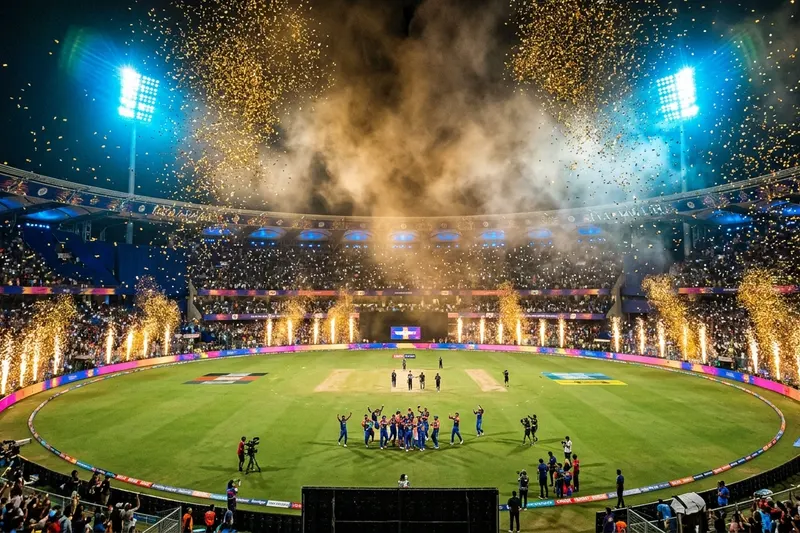

Sample IPL Khayi-Lagai & Session Board (Static Reference Data)
Below is how the live exchange row component looks inside your account during evening IPL fixtures. Notice the tight two-paise spread between the amber BACK (Lagai) tile and the pink LAY (Khayi) tile—the exact same layout used on our BBL betting id board during December and January.
Notice the third card from Ahmedabad: when two balanced squads meet on a black-soil strip at Narendra Modi Stadium, the opening rate sits at 90-92 paise (1.90 Back / 1.92 Lay on Gujarat Titans, 2.08 Back / 2.10 Lay on Rajasthan Royals). In traditional bazaar slang this is called a near-even jodi bhav where either side can flip favourite after a single two-boundary over, making it ideal for fast khayi-lagai scalping with zero overnight risk.
Server & UPI Switch Congestion Between 7:00 PM and 7:35 PM IST
We believe in telling you where real-world friction happens before you experience it live. During IPL match nights—especially the opening ceremony match, Sunday double-headers, and MI vs CSK fixtures—tens of millions of viewers across India open food delivery apps, streaming subscriptions, and UPI payment gateways right between 7:00 PM and 7:35 PM IST as the coin toss takes place.
While our exchange matching servers handle in-play bets in under 400 milliseconds, the National Payments Corporation of India (NPCI) banking switches at major retail banks like SBI and HDFC often queue incoming UPI callbacks for 4 to 6 minutes during that thirty-minute toss peak. If you wait until 7:28 PM to send your ₹100 deposit screenshot, you might miss the first two overs of powerplay session action while your bank generates the 12-digit UTR number. Experienced traders always top up their wallet before 6:45 PM IST—or keep a backup ID active through our Reddy Anna customer desk—so their balance is sitting ready before the captains walk out for the toss.

Straightforward Answers on IPL Satta IDs, Bhav, and Payouts
How does an online IPL satta id differ from calling a local khaiwal?
When you call a local phone khaiwal, you accept a delayed voice rate and wait until Monday morning for weekly hisab settlement. An online exchange ID shows live ball-by-ball decimal bhav, locks your trade in under one second, and settles winnings into your wallet immediately after the twentieth over.
What does 68-70 Mumbai fav mean on a digital exchange board?
Traditional bazaar bhav of 68-70 paise on Mumbai Indians translates directly to 1.68 Back (Lagai) and 1.70 Lay (Khayi) on the digital exchange. Backing ₹1,000 at 1.68 pays ₹680 net profit if Mumbai wins, while Laying ₹1,000 at 1.70 risks ₹700 to win ₹1,000 if Mumbai loses.
Can I start trading IPL session fancy with just ₹100 instead of a full daba?
Yes. Offline books usually demand at least one daba (₹1,000) per voice entry. On our exchange panels, the minimum deposit and minimum bet start at ₹100, with zero bonus lock and zero turnover conditions.
How does the Impact Player rule affect 20-over lambi pari lines?
Because franchises can substitute a specialist batter at fall of the fifth wicket, IPL teams effectively bat down to number eight. That extra cushion inflates death-over scoring and adds 14 to 18 runs to traditional 20-over lambi pari par lines.
Why should I top up my wallet before the 7:00 PM IST toss?
Between 7:00 PM and 7:45 PM IST on IPL match evenings, Indian banking UPI switches handle tens of millions of concurrent transfers. Topping up thirty minutes before the toss avoids 4 to 6 minute NPCI UTR verification delays.
Activate Your IPL Exchange Ledger With ₹100 UPI
Skip phone-call delays and weekly credit disputes. Message our WhatsApp desk now for a verified exchange login with ₹100 minimum deposit, zero bonus rollover, and 5–15 minute bank payouts to your own-name account.